How Lime Plaster Improves Thermal Insulation in Indian Homes Naturally and Sustainably

The Designer’s Secret: Achieving a Seamless, Artisanal Finish with Lime Plaster
January 20, 2026
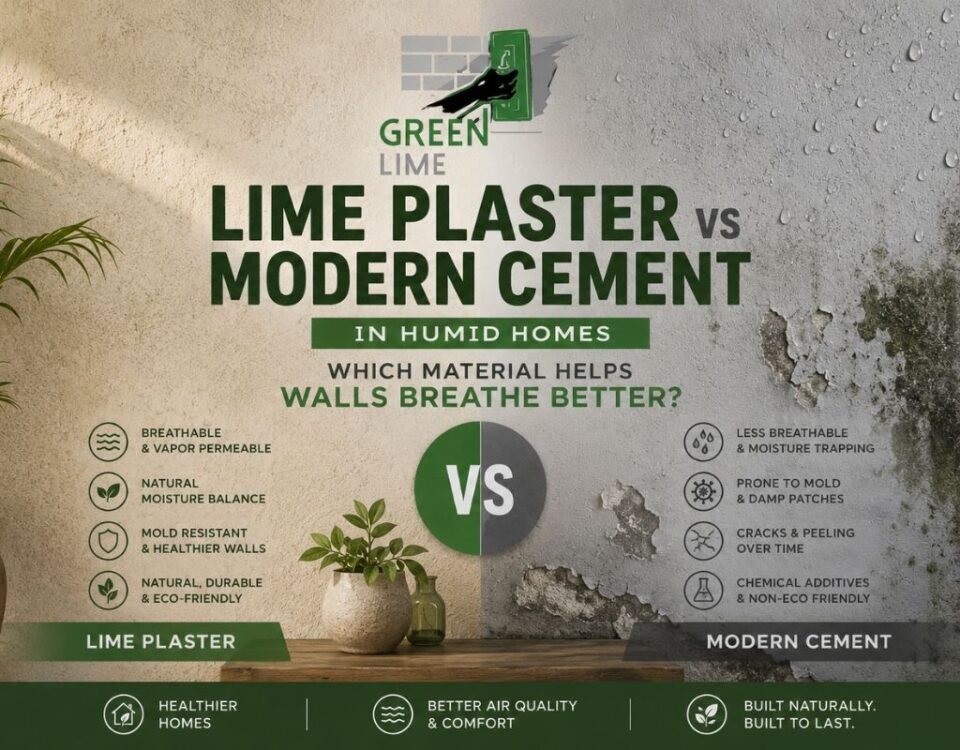
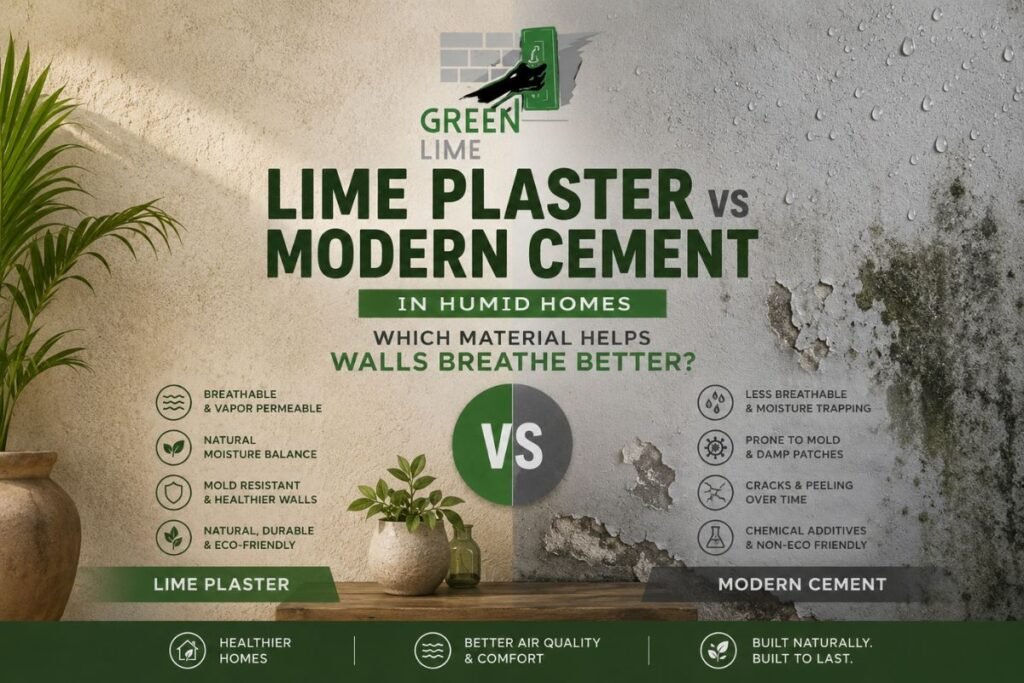
Lime Plaster vs Modern Cement in Humid Homes: Which Material Helps Walls Breathe Better?
May 25, 2026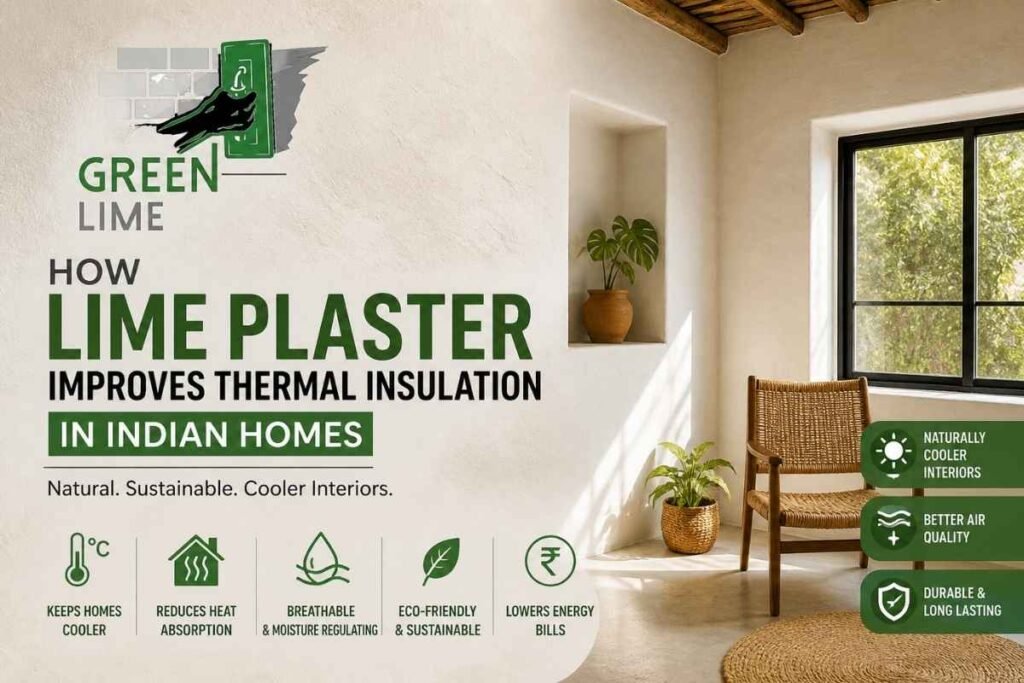
India’s climate is diverse and demanding. From the scorching summers of Rajasthan and Gujarat to the humid coastal weather of Goa and Mumbai, maintaining comfortable indoor temperatures has become a major challenge for homeowners. Most modern homes depend heavily on air conditioners and artificial cooling systems, which increases electricity bills and energy consumption. This is where traditional building materials like lime plaster are making a strong comeback.
Lime plaster is not just a decorative wall finish. It is a breathable, eco-friendly, and naturally temperature-regulating material that has been used in Indian architecture for centuries. Ancient forts, havelis, temples, and heritage buildings across the country used lime-based construction because of its durability and cooling properties. Today, architects, interior designers, and sustainable homeowners are rediscovering the benefits of lime plaster for modern homes.
In this blog, we will explore how lime plaster improves thermal insulation in Indian homes, why it performs better than many modern wall finishes, and why it is becoming a preferred choice for sustainable construction.
Understanding Lime Plaster
Lime plaster is made using natural lime, sand, and water. Unlike cement plaster, lime plaster remains breathable and flexible. It allows moisture to evaporate naturally, helping walls stay dry and cool.
The material works exceptionally well in Indian climatic conditions because it regulates both heat and humidity. During hot weather, lime plaster absorbs and releases moisture slowly, creating a naturally cooler indoor environment. This makes homes more comfortable without excessive dependence on cooling appliances.
Many homeowners looking for sustainable wall finishes now prefer Lime Wash in India because of its natural cooling performance and eco-friendly characteristics.
How Lime Plaster Improves Thermal Insulation
1. Reduces Heat Absorption
One of the biggest advantages of lime plaster is its low heat retention capacity. Cement walls absorb heat during the day and release it slowly at night, making interiors feel warmer even after sunset. Lime plaster behaves differently.
Lime-coated walls reflect a significant amount of solar radiation and absorb less heat. This helps maintain lower indoor temperatures during summer months. Homes finished with lime plaster often feel naturally cooler compared to cement-plastered structures.
This thermal performance is especially useful in cities where temperatures regularly cross 40°C during peak summers.
2. Enhances Breathability of Walls
Modern cement walls trap moisture and heat inside the structure. This creates humidity, dampness, and discomfort indoors. Lime plaster allows walls to breathe naturally.
Its porous structure permits air and moisture movement, which helps maintain balanced indoor humidity levels. Better airflow inside the walls reduces trapped heat and improves overall thermal comfort.
In humid coastal cities, breathable walls can significantly improve indoor living conditions by preventing excessive moisture buildup.
3. Maintains Stable Indoor Temperatures
Lime plaster creates thermal balance inside homes. It slows down the transfer of heat from exterior walls to interior spaces. This means indoor temperatures remain more stable throughout the day.
During summer:
- Interiors stay cooler for longer periods
During winter:
- Walls retain warmth more effectively
This dual performance makes lime plaster suitable for multiple Indian climatic zones.
4. Works Well with Traditional Indian Architecture
Traditional Indian homes were designed with climate-responsive materials. Lime plaster complements these principles perfectly. When combined with natural ventilation, high ceilings, courtyards, and stone flooring, lime plaster enhances passive cooling inside homes.
This is why many heritage structures in Rajasthan, Kerala, and Gujarat remain naturally cooler despite extreme weather conditions.
Today, modern architects are combining traditional lime plaster techniques with contemporary designs to create energy-efficient homes.
5. Reduces Dependence on Air Conditioning
Because lime plaster naturally cools indoor spaces, homeowners often use air conditioners less frequently. This directly reduces electricity consumption and lowers energy bills.
With rising power costs across India, energy-efficient building materials are becoming increasingly important. Lime plaster supports sustainable living while improving indoor comfort naturally.
Over time, the reduced cooling costs can offset the initial investment made in premium lime finishes.
Why Lime Plaster Is Better Than Cement Plaster
Better Temperature Control
Cement traps heat, while lime regulates it naturally. This makes lime plaster more suitable for Indian climates.
Eco-Friendly Construction
Lime has a lower carbon footprint compared to cement. It is a sustainable material that supports environmentally responsible construction practices.
Crack Resistance
Lime plaster is more flexible than cement plaster. It adjusts better to temperature changes and reduces surface cracking over time.
Healthier Indoor Environment
Because lime is breathable and anti-bacterial, it helps improve indoor air quality. It also prevents mold and fungal growth caused by trapped moisture.
Long-Term Durability
Properly maintained lime plaster can last for decades. Many heritage buildings across India still retain original lime finishes after hundreds of years.
Growing Popularity of Lime Plaster in Modern Indian Homes
Homeowners today are increasingly choosing natural building materials that offer both aesthetic and functional benefits. Lime plaster provides a soft, earthy, and luxurious appearance while also improving thermal comfort.
It is widely used in:
- Luxury villas
- Eco-resorts
- Farmhouses
- Heritage restorations
- Sustainable homes
- Boutique hotels
Architects and interior designers especially appreciate the textured and handcrafted finish that lime plaster provides.
People looking for premium natural finishes often explore Lime Plaster in Mumbai for modern residential and commercial projects that require elegant and climate-responsive interiors.
Similarly, coastal homes and resorts are increasingly adopting Lime flooring in Goa because of its cooling effect and compatibility with tropical weather conditions.
Lime Plaster and Sustainable Living
Sustainability is becoming a major focus in Indian construction. Lime plaster aligns perfectly with green building practices because it is:
- Natural and non-toxic
- Energy-efficient
- Biodegradable
- Low in embodied carbon
- Locally sourced in many regions
Unlike synthetic wall coatings, lime does not release harmful chemicals into indoor spaces. It creates healthier living environments while reducing environmental impact.
Builders and homeowners seeking eco-conscious construction solutions are increasingly choosing Lime Plaster Service in Pune for sustainable residential projects.
Likewise, modern villas and heritage-inspired homes are adopting Lime Plaster Service in Gujarat to achieve both thermal efficiency and timeless aesthetics.
Is Lime Plaster Suitable for All Indian Regions?
Yes, lime plaster performs well across different climatic conditions in India:
- Hot and dry climates
- Humid coastal areas
- Moderate weather zones
- Heritage restoration environments
However, the quality of application is extremely important. Skilled craftsmanship ensures proper curing, durability, and thermal performance.
Choosing experienced lime plaster professionals is essential for achieving the best results.
Final Thoughts
Lime plaster is far more than a traditional wall finish. It is a scientifically effective and environmentally responsible solution for improving thermal insulation in Indian homes. By reducing heat absorption, enhancing wall breathability, and maintaining stable indoor temperatures, lime plaster creates naturally comfortable living spaces.
As India moves toward sustainable architecture and energy-efficient construction, lime plaster is once again proving its value in modern homes. It combines timeless beauty with practical performance, making it an ideal choice for homeowners who want cooler interiors, lower energy bills, and healthier living environments.
Whether for luxury villas, eco-friendly homes, or heritage restorations, lime plaster continues to offer a perfect balance between tradition, sustainability, and modern comfort.