Lime Plaster 101: The Sustainable Secret to a Mold-Free, Breathable Home

The Designer’s Secret: Achieving a Seamless, Artisanal Finish with Lime Plaster
January 20, 2026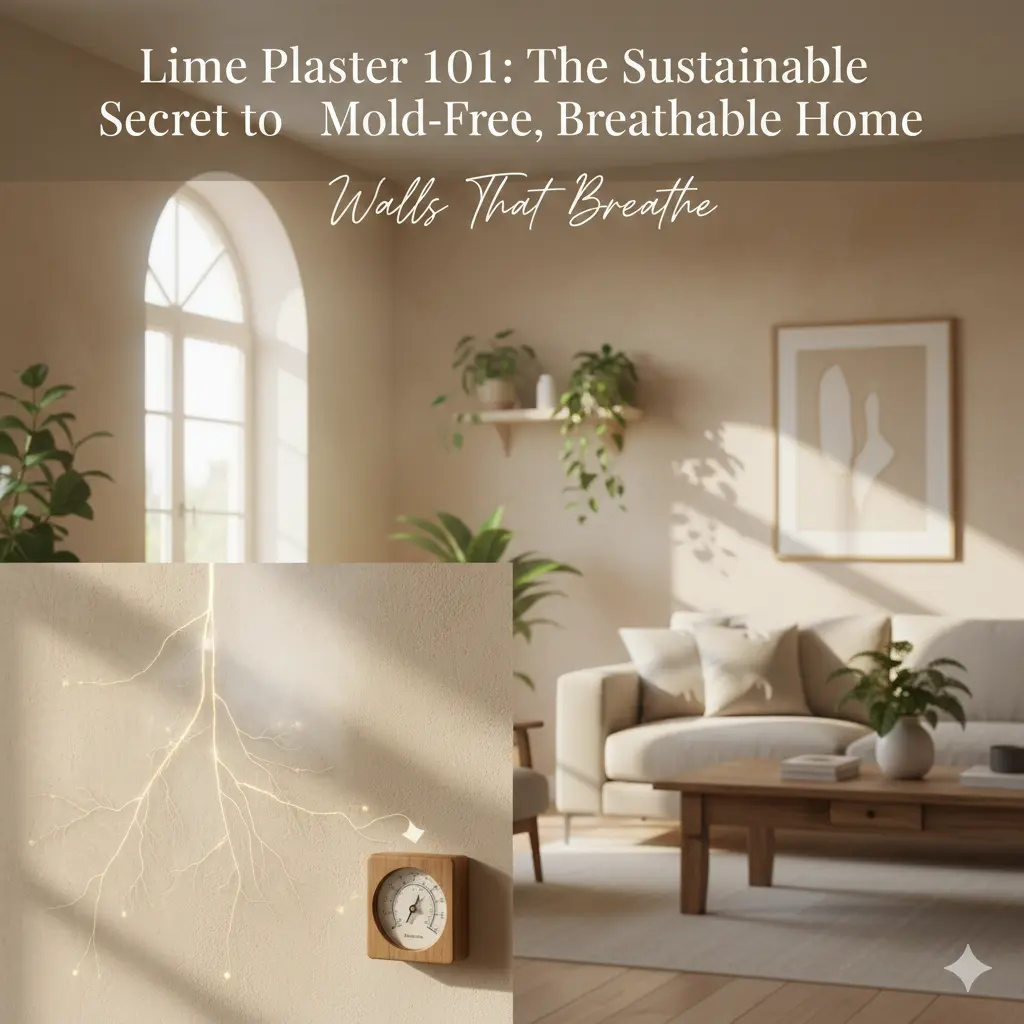
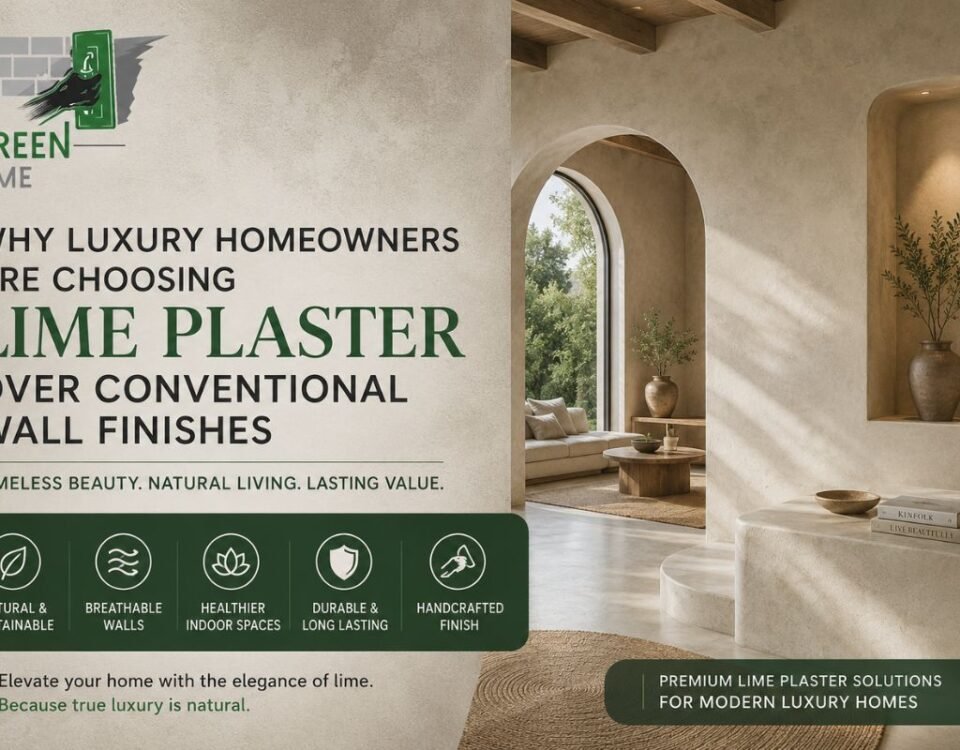
In an age where our homes are becoming increasingly sealed and synthetic, a quiet revolution is happening – a return to ancient wisdom. Homeowners, designers, and builders alike are rediscovering the profound benefits of lime plaster. Far from being a relic of the past, lime plaster is emerging as a cutting-edge solution for creating healthier, more sustainable, and truly breathable living spaces.
If you’ve ever felt like your home is stuffy, prone to dampness, or simply lacking a certain “freshness,” you’re not alone. Modern construction often prioritizes speed and cost-efficiency, frequently at the expense of indoor air quality and the long-term health of both the building and its inhabitants. This is where lime plaster steps in, offering a refreshing antidote.
What Exactly is Lime Plaster? A Brief Introduction
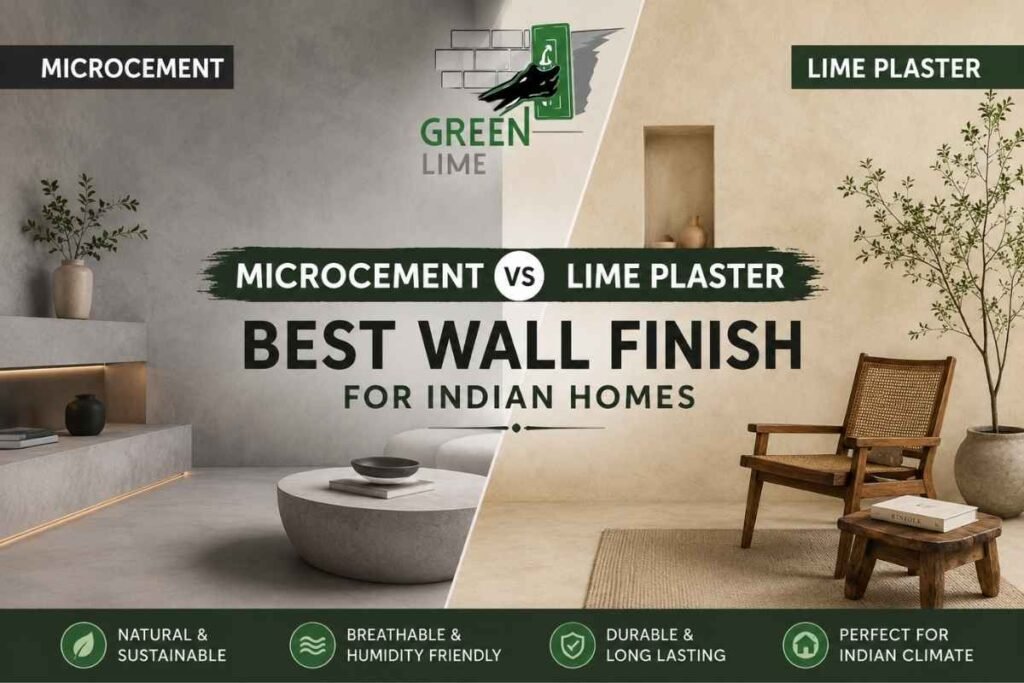
At its core, lime plaster is a mixture of lime (typically calcium hydroxide, derived from heating limestone), sand, and water. Unlike modern cement-based plasters or gypsum drywall, lime plaster cures by absorbing carbon dioxide from the air – a process called carbonation – slowly reverting to its original limestone state. This chemical transformation is key to many of its remarkable properties.
Historically, lime has been a cornerstone of construction for millennia, from the pyramids of Giza to Roman aqueducts and medieval cathedrals. Its durability and versatility are time-tested, a testament to its enduring power.
Why Your Home Needs to Breathe: The Problem with Modern Construction
Many contemporary homes are built to be airtight, heavily insulated envelopes. While this is great for energy efficiency in terms of heating and cooling, it can inadvertently trap moisture, pollutants, and allergens indoors.
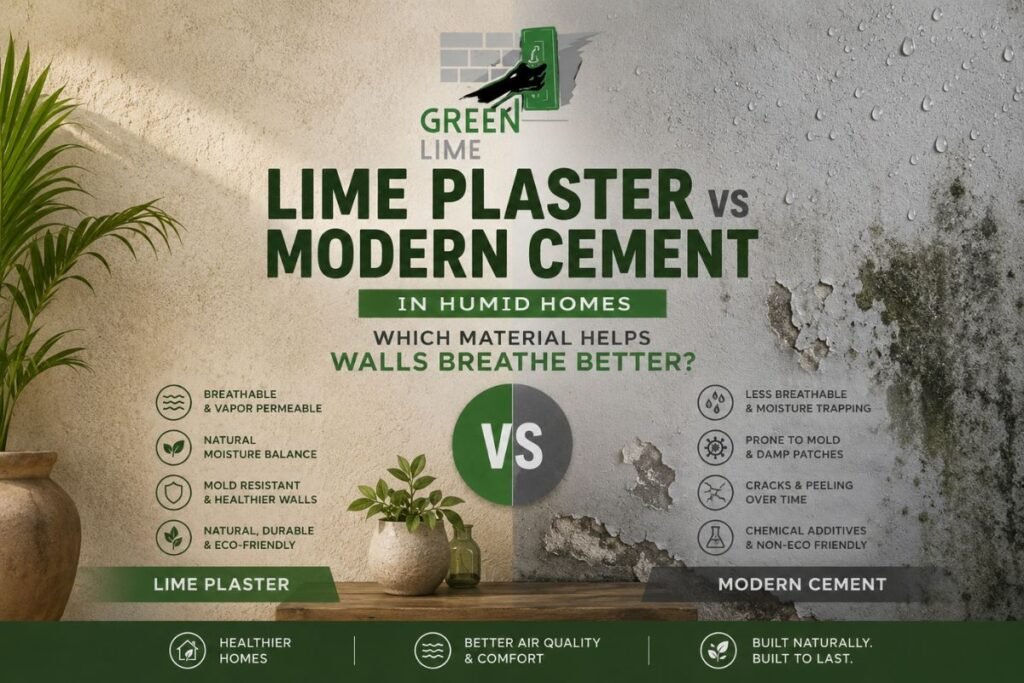
Think about it: cooking, showering, even just breathing, all release moisture into the air. In a sealed environment, this moisture has nowhere to go. It condenses on cooler surfaces, creating the perfect breeding ground for mold and mildew. Beyond the structural damage, mold spores are a significant health concern, contributing to respiratory issues, allergies, and general malaise.
Furthermore, many conventional building materials, paints, and finishes off-gas Volatile Organic Compounds (VOCs) and other chemicals into your indoor air. With poor ventilation, these pollutants accumulate, impacting air quality and potentially your health.
The Breathability Factor: How Lime Plaster Transforms Your Indoor Environment
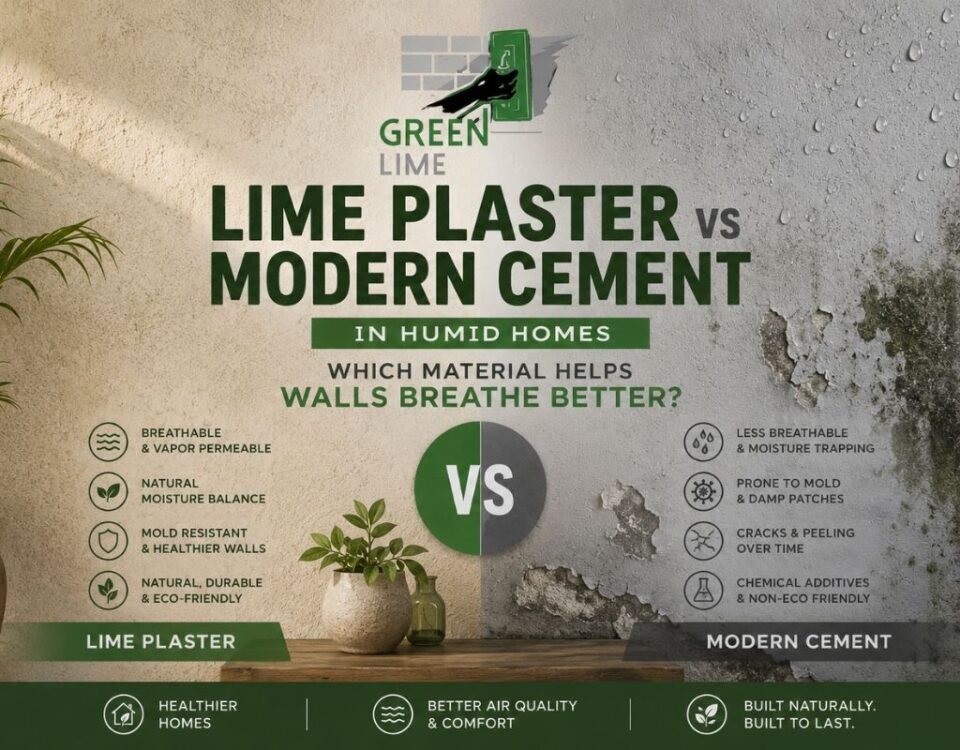
This is where lime plaster truly shines. Its unique microstructure makes it “breathable” or vapor-permeable. This means it allows moisture to pass through its capillaries in and out of the wall structure as humidity levels change.
Imagine your walls like a living skin. On a humid day, lime plaster can absorb excess moisture from the air, preventing condensation and inhibiting mold growth.

Conversely, when the air becomes drier, the plaster slowly releases that stored moisture back into the room, helping to regulate indoor humidity naturally. This natural moisture buffering creates a more stable, comfortable, and healthier indoor climate.
Key Benefits of Lime Plaster for a Healthier Home:
- Mold and Mildew Resistance: The most significant health advantage. By managing moisture, lime plaster dramatically reduces the conditions necessary for mold and mildew to flourish. Moreover, lime is naturally alkaline, which further deters fungal growth.
- Improved Indoor Air Quality: Lime plaster doesn’t off-gas harmful chemicals. It’s naturally free of VOCs, unlike many synthetic paints and finishes. By regulating humidity, it also reduces dust mites and other allergens that thrive in damp conditions.
- Natural Air Purification: Some studies suggest that the alkalinity of lime can neutralize certain airborne pollutants and bacteria, contributing to cleaner air.
- Temperature Regulation: Its thermal mass can help moderate indoor temperatures, making your home feel cooler in summer and warmer in winter, potentially reducing energy consumption.
- Durable and Long-Lasting: When properly applied, lime plaster is incredibly durable. Its flexibility allows it to adapt to minor building movements without cracking, unlike rigid cement-based renders.
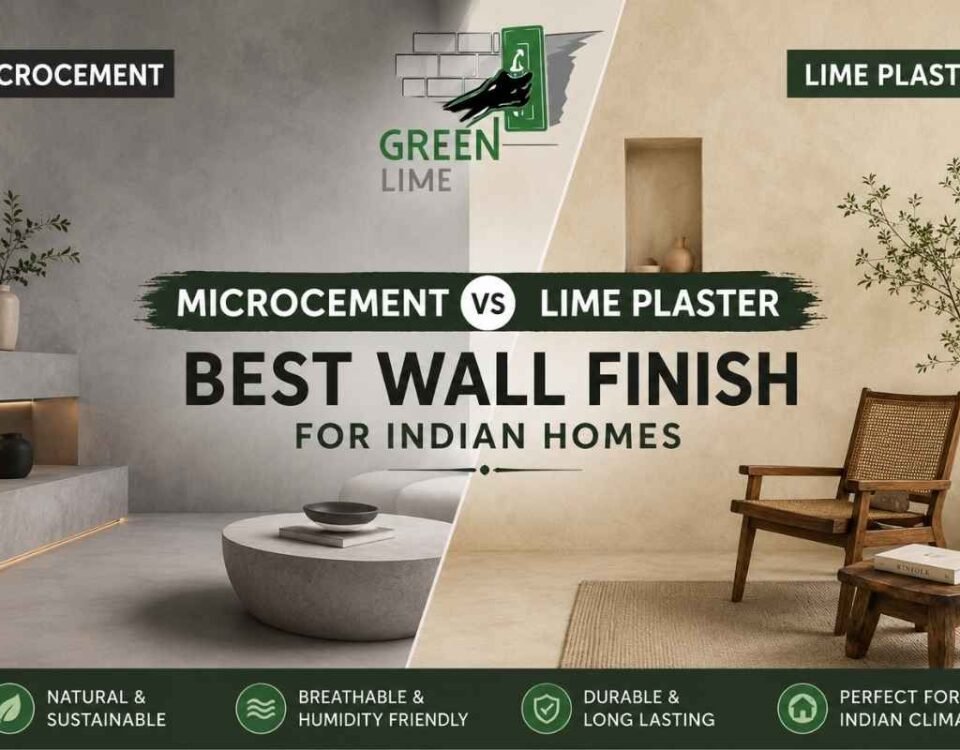
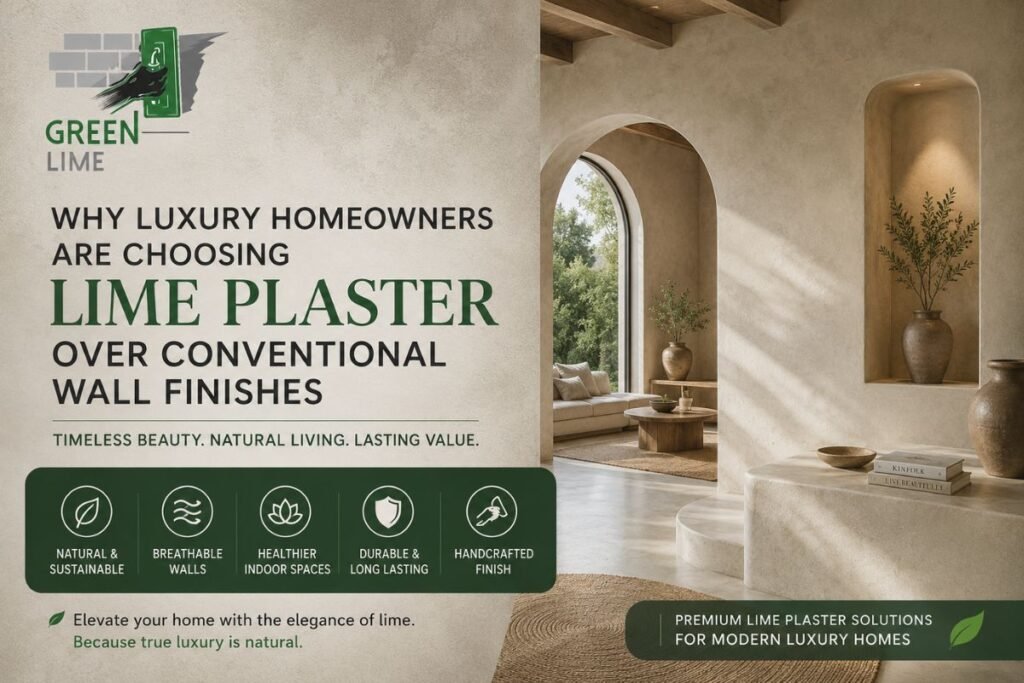
- Aesthetic Appeal: Beyond its functional benefits, lime plaster offers a unique, soft, and inviting aesthetic. Its natural variations in texture and color create walls with depth and character, providing a timeless backdrop for any interior design.

The Sustainable Secret: Why Lime Plaster is an Eco-Friendly Choice
Beyond human health, lime plaster is also a champion for planetary health.
- Low Embodied Energy: The production of lime requires significantly less energy compared to cement. While limestone needs to be heated, the overall carbon footprint is generally lower.
- Carbon Sequestration: During its curing process (carbonation), lime plaster re-absorbs carbon dioxide from the atmosphere, effectively drawing down CO2 and locking it back into the building fabric. This makes it a carbon-sequestering material.
- Natural and Non-Toxic: Made from naturally occurring minerals, lime plaster is free from synthetic chemicals and plastics found in many modern building materials. It’s safe for both installers and occupants.
- Recyclable and Biodegradable: At the end of a building’s life, lime plaster can be safely returned to the earth without contaminating the environment.
- Durability Reduces Waste: Its longevity means less frequent replacement or repair, reducing construction waste over the long term.
Is Lime Plaster Right for Your Home?
While the benefits are compelling, it’s important to understand a few considerations:
- Application Requires Skill: Applying lime plaster is an art and a science. It’s a specialized skill that requires knowledge of the material’s properties and proper techniques. It’s often best left to experienced lime plasterers.
- Curing Time: Lime plaster cures slowly, sometimes taking weeks or even months to fully carbonate. This isn’t a drawback, but it requires patience and proper environmental conditions during application.
- Cost: The initial cost of lime plaster can sometimes be higher than conventional drywall or synthetic renders, primarily due to the specialized labor and material quality. However, its longevity, low maintenance, and health benefits often lead to significant savings over the lifetime of the building.
The Future is Ancient: Embracing a Healthier Way to Build
As we collectively become more aware of the impact our homes have on our well-being and the environment, materials like lime plaster are gaining renewed importance. It’s not just about aesthetics or tradition; it’s about creating living spaces that genuinely support life.
Choosing lime plaster is an investment in a healthier home, a more sustainable future, and a connection to a building tradition that truly understood how to build with nature, not against it. If you’re looking to transform your home into a truly mold-free, breathable sanctuary, exploring the world of lime plaster might just be the most sustainable secret you ever uncover.